Home / The Science of Terpenes: Why Smell Matters More Than THC
The Science of Terpenes: Why Smell Matters More Than THC
For years, cannabis buyers have focused on one number: THC percentage.
But experienced growers know something different.
Smell tells the real story.
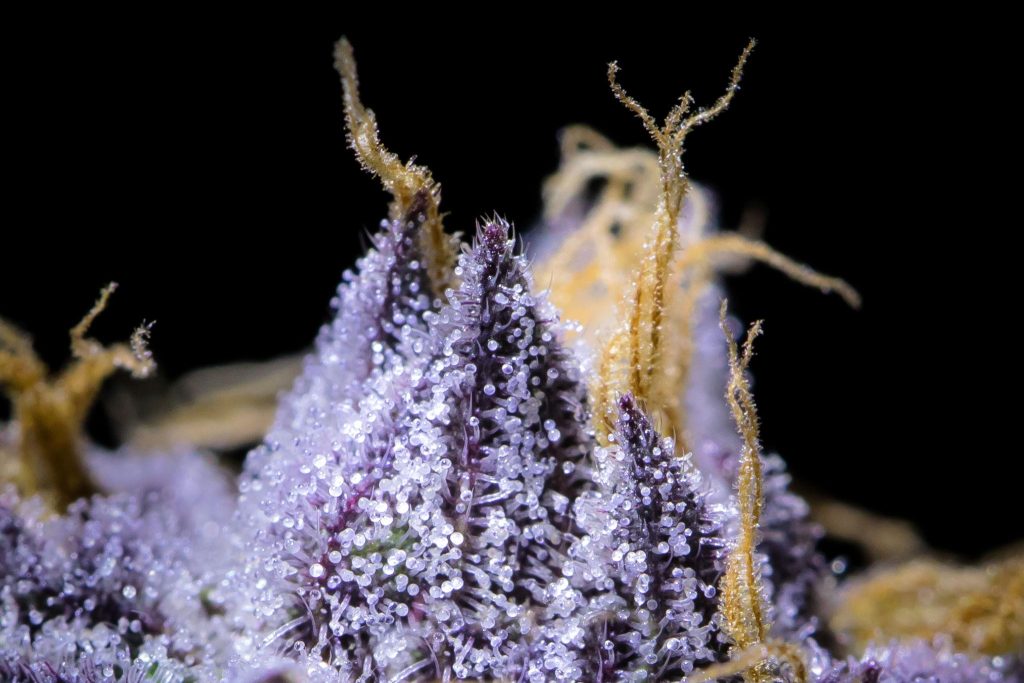
That smell comes from terpenes — aromatic compounds produced in cannabis trichomes. They give strains their citrus, diesel, pine, earthy, or fruity aromas. But more importantly, they influence how a strain feels.
What Are Terpenes?
Terpenes are natural compounds found in many plants — not just cannabis. In cannabis, they are produced in the same resin glands that create cannabinoids.
Common examples:
Myrcene – Relaxing, body-heavy
Limonene – Uplifting, mood-enhancing
Pinene – Alert, focused
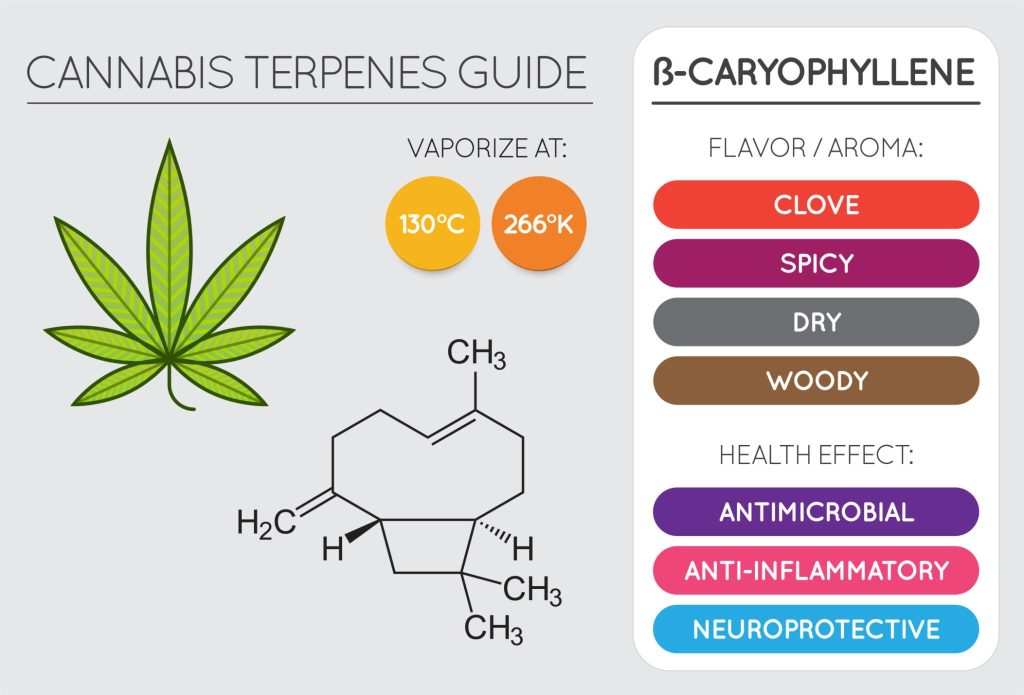
Caryophyllene – Stress-relieving
Two strains can test at 25% THC yet feel completely different. The difference? Terpene profile.
THC alone doesn’t define the experience. Terpenes interact with cannabinoids to influence intensity, clarity, relaxation, and overall balance. This interaction is known as the entourage effect.
That’s why chasing high THC alone often leads to disappointing results.
Why Terpenes Matter for Growers
Terpenes are fragile.
They degrade under:
Excessive heat
Poor airflow
Rough drying
Improper curing
Strong terpene production begins with quality genetics and is preserved through controlled environments.
If your plant smells rich and loud during flower, you’re on the right path.
Aromatic cannabis is usually quality cannabis.
🌱 Ready to Grow Premium Genetics?
High-quality harvests start with high-quality seeds. Explore our collection of carefully selected cannabis genetics trusted by growers across Australia.
At Seeds Please, we’re passionate about reconnecting people with the natural roots of cannabis. We believe knowledge and cultivation should be shared — not gatekept. Our goal is to make high-quality seeds and honest information accessible to everyone, helping growers build a deeper connection to the plant and the community around it. Cannabis is part of nature’s design, and we’re here to help you grow with it — responsibly, sustainably, and with curiosity.