Sleep is one of the most essential parts of good health, yet millions of people struggle to get enough of it. For many, cannabis has become a natural alternative to traditional sleep aids — but how exactly does it help, and is it right for everyone?
The cannabinoids in cannabis, particularly THC and CBD, interact with the body’s endocannabinoid system — a network that helps regulate sleep, mood, and pain.
THC, the psychoactive compound, tends to make people feel relaxed and sleepy.
CBD, on the other hand, can calm anxiety and promote a sense of balance, which may help prepare the mind for rest.
Research suggests that THC may shorten the time it takes to fall asleep, making it easier for those with insomnia or racing thoughts to drift off. However, it can also reduce REM sleep, the stage associated with dreaming. This means some people report fewer dreams when using cannabis before bed.
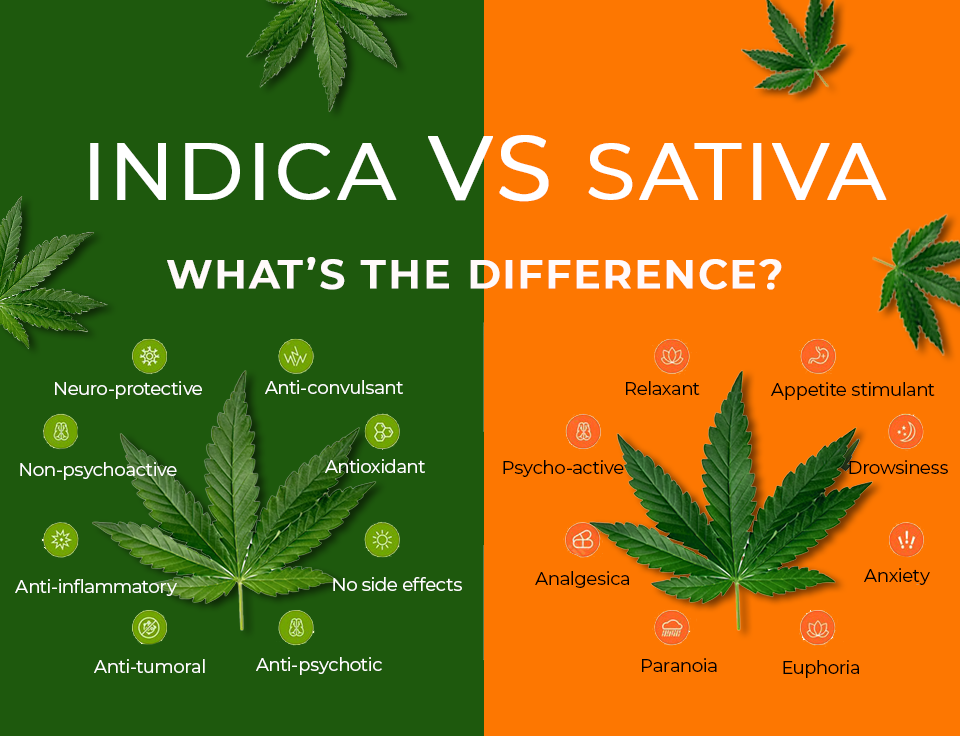
Different strains produce different effects:
Indica-dominant strains are typically recommended for sleep because of their body-heavy relaxation and sedative effects.
Sativa strains can be more energizing, so they’re better suited for daytime use.
Hybrids can offer a balanced experience depending on their dominant characteristics.
Look for strains or products high in myrcene, linalool, or terpinolene — terpenes known for their calming and soothing effects.
Explore our full Cannabis Seed Menu Here. Seeds are sent within 24 hours of payment (Only within Australia).
How you consume cannabis also affects how it influences sleep:
Smoking or vaping acts fast but wears off sooner.
Edibles or tinctures take longer to kick in (30–90 minutes) but last through the night, making them a better option for staying asleep.
If you’re new to using cannabis for sleep, start with a low dose and pay attention to how your body responds.
While cannabis can help many people rest better, long-term heavy use of THC may affect natural sleep cycles. If you stop after extended use, you might experience vivid dreams or restlessness for a few days — a temporary rebound effect.
It’s best used as part of a healthy sleep routine: limit screens, keep your room cool and dark, and use cannabis to complement good habits, not replace them.